10 Low-Carbon Hacks for Gen Z Backpacking on a Budget | Souparna

10 Low-Carbon Hacks for Gen Z Backpacking on a Budget
Introduction
Gen Z is rewriting the rules of travel. According to
the 2024 Earth Day report, young travelers are already cutting their carbon
footprint by nearly 40% simply by making smarter choices on
the road. With over 70 million Gen Z adventurers backpacking
every year, the dream of exploring the world is bigger than ever but so is the
concern about emissions, especially with flights skyrocketing individual carbon
output.
This blog breaks down 10 low-carbon hacks that
help you save money and protect the planet at the same time.
From packing light to going plant-based, each tip lets you travel farther for
less. Think of this as your toolkit for greener trips, lower bills, and higher
impact.
Let’s pack smarter, travel lighter, and lead the change.
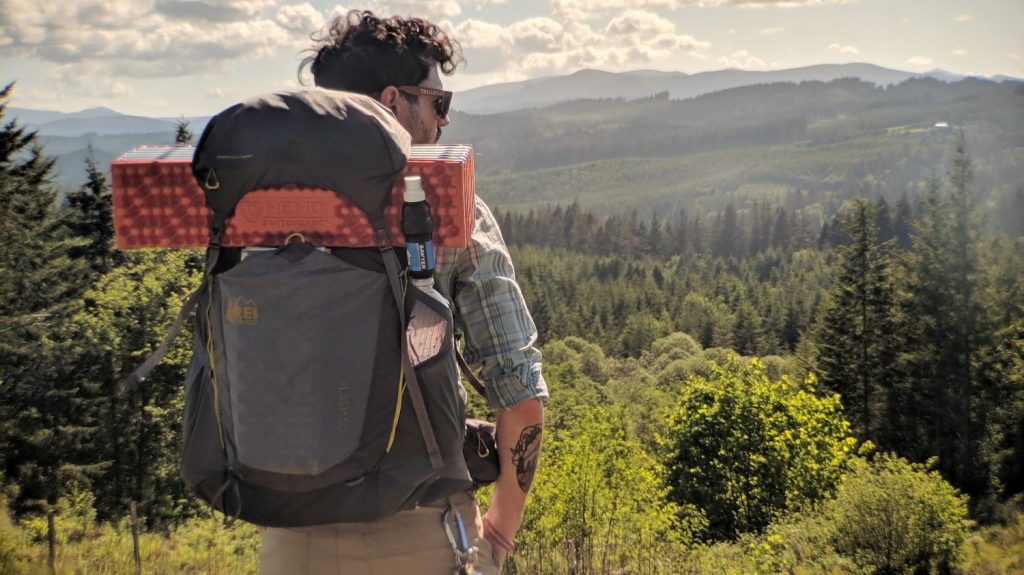
Pack Light, Travel Right
Hack 1: Build a Capsule Wardrobe
Creating a travel-friendly capsule wardrobe means
choosing 7–10 multi-use clothing items that can be worn in
different combinations. Fabrics like merino wool or bamboo dry quickly, resist
odor, and pack small—perfect for long trips.
EU rail data shows that trimming your backpack weight
by even 30% can reduce fuel use on buses by up to 15%.
Backpacker Mia, who explored Europe for a month, washed her clothes only once a
week and saved nearly $50 on laundromats.
"Light packs mean free hands for
adventures." – Alex Green, eco-packer
Action Steps:
- Create
a simple packing plan: one jacket, two bottoms, four tops.
- A
week before you head off, do a full practice packing.
- Think
secondhand first—pre-loved or thrifted clothes keep things sustainable.
Hack 2: Swap Single-Use for Reusables
A small eco-kit can save hundreds of disposable
plastics on the road. Bring a cloth bag, a metal straw, foldable cup, and
collapsible water bottle in your luggage. According to the UN in the year 2025,
tourists throw more than one billion plastic bottles annually.
In Thailand, beach clean-ups showed that the biggest
dent in waste was made by backpackers switching to reusable bottles.
"Small swaps slash waste big
time." – Lena Rivers, zero-waste coach
Action Steps:
- Keep
your reusable kit under 1 kilogram.
- Refill
at cafes, hostels, and airports.
- Track
the plastic you save with any eco-savings app.
Choose Green Rides

Hack 3: Ditch Flights for Trains and Buses
Not every trip needs a plane. Trains and buses
emit 90% less CO₂ than flights (IEA 2024). Booking an
overnight route helps you save on accommodation while staying mobile.
Traveler Sam crossed Europe using bike-train
combinations and saved $300 compared to flying city to city.
"Rails connect souls and spots."
– Euro rail expert Tom Hale
Action Steps:
- Compare
greener routes on Rome2Rio or Omio.
- Bring
snacks to avoid expensive food on board.
- Opt
for night journeys to save on hostel costs.
Hack 4: Share Rides and Bike Local
If long-distance buses aren't an option, try
carpooling. Apps like BlaBlaCar reduce per-person emissions by almost half,
according to World Bank data. When you arrive, rent city bikes or e-bikes for
an affordable, fast way to get around.
In Vietnam, a group of four backpackers split scooter
rentals, reducing fuel use by half.
"Pedals power freedom." – Bike
nomad Kira Lee
Action Steps:
- Post
rides early on sharing apps.
- Rent
e-bikes during long stays.
- Download
local bike path maps before starting.
Stay Sustainable
Hack 5: Couchsurf or Green Hostels
Accommodation can be expensive—but it doesn’t have to
be. Couchsurfing offers free stays while eco-hostels provide dorm beds for
under $20/night. Platform data suggests Couchsurfing offsets
nearly 2 tons of CO₂ per user each year since it reduces hotel
energy use.
Traveler Lila stayed with hosts across 10 cities and
walked away with lifelong friends—not just savings.
"Homes beat hotels for heart and
earth." – Travel podcaster Jay Kim
Action Steps:
- Create
a genuine and verified profile.
- Offer
skill swaps such as language help or cooking.
- Filter
hostels by green certifications: LEED, Green Key.
Hack 6: Camp Wild or Off-Grid Spots
Camping is not just budget-friendly—it’s low carbon.
According to the Outdoor Foundation’s 2025 report, camping emits 80%
less carbon than hotels.
A duo backpacking Patagonia camped for 30 nights and
spent just $100 total, while enjoying zero electricity use and
full nature immersion.
"Stars overhead, zero bills." –
Wild camper Nora Finn
Action Steps:
- Read
local camping rules carefully.
- Carry
a hammock for flexible setups.
- Follow
Leave No Trace: bury waste and pack out trash.
Eat and Play Green
Hack 7: Go Local and Plant-Based
Traveling plant-based even part-time dramatically
reduces your food footprint. FAO reports say plant-based meals can cut
emissions by 40% during trips. Eating where locals eat—street
vendors, markets, and stalls—keeps costs low and flavors high.
Raj, a backpacker in India, ate veg thalis for most
meals and saved $15/day.
"Local bites fuel body and
land." – Chef eco-traveler Maya Soto
Action Steps:
- Order
vegetarian versions of local dishes.
- Carry
nuts or energy bars to skip packaged snacks.
- Shop
at farmer’s markets for fresh, cheap ingredients.
Hack 8: Hike Free Trails Over Tours
Instead of booking pricey group tours, use apps for
self-guided hikes and nature walks. Walking emits zero CO₂ and
boosts mental health by 25% (WHO).
A backpacking team in New Zealand finished multiple
famous trails without paying a single tour fee.
"Feet first, planet wins." –
Hiker guru Ben Trail
Action Steps:
- Download
offline maps on AllTrails or Maps.me.
- Join
local meetup groups for safe shared hiking.
- Track
miles on a fitness app to stay motivated.
Wrap Up Your Green Trip

Hack 9: Track and Offset Easy
Carbon tracking apps like TripIt or Greenly show you
the footprint of each leg of your trip. Offsetting is surprisingly
affordable—Gold Standard data says offsets cost around $5/ton,
enough to cover an entire backpacking trip.
A small group traveling to Bali offset their whole
vacation for only $20.
"Know your footprint, shrink
it." – Climate app founder Eli Voss
Action Steps:
- Log
routes in a carbon calculator.
- Buy
certified credits Gold Standard, Verra.
- Share
your offset badge on socials to inspire others.
Hack 10: Off-Season for Wins
Travel in the shoulder season and you can expect fewer
crowds, lower emissions, and better deals. According to Kayak data from 2025,
flights are around 30% cheaper and 20% less crowded off-peak, which reduces
burn and amps up comfort.
A winter backpacking trip to Greece helped a duo cut
ferry costs by half and enjoy quieter beaches.
"Quiet seasons shine brightest."
– Budget pro Sara Lane
Action Steps:
- Before
you go, check seasonal calendars.
- Use
flexible date options on booking sites.
- Pack
layers to handle changing weather.
Conclusion
From packing a capsule wardrobe to choosing off-season
travel, these 10 low-carbon hacks can transform the way you
experience the world. You don’t have to spend more to be eco-conscious in fact,
these choices often save you money.
Your challenge: Pick any 3 hacks and
use them on your next trip. Share your eco-wins in the comments and inspire
someone else to travel lighter.
Gen Z is leading the global shift. Backpack light, leave light. Save the earth, save your cash.




Comments
Post a Comment