What’s Generative Engine Optimization and Why You Need It | Souparna
What’s Generative Engine Optimization and Why You Need It
By 2025, AI tools will handle almost 35% of all
searches up from around 10% in 2023. That means millions of people are no
longer scrolling through ten blue links. They are asking an AI for a single,
direct answer.
So what does that mean for your site?

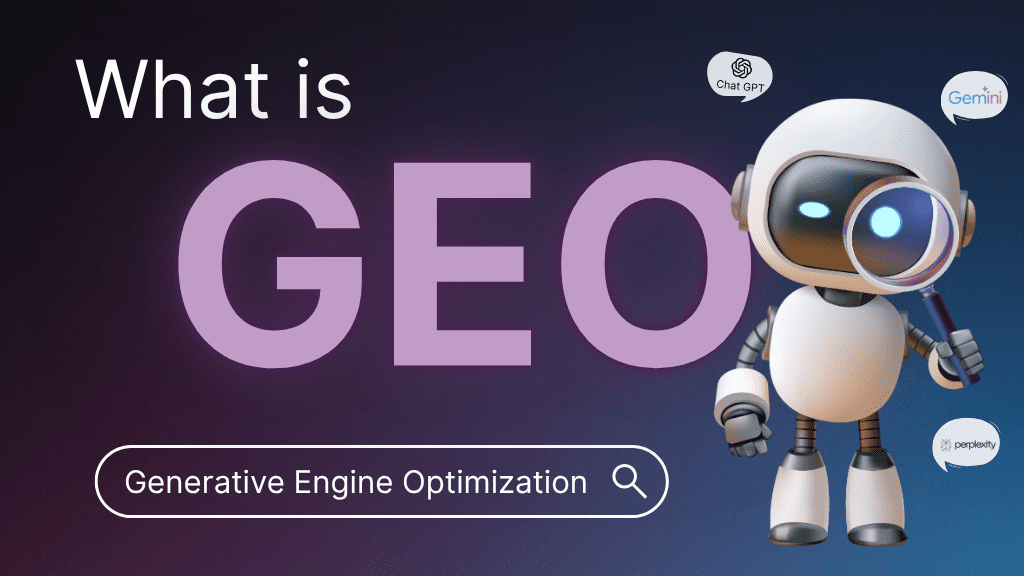
Image Sorce: Backup Infotech
Generative Engine Optimization is the process of crafting your material to feature inside the answers that AI-powered tools like ChatGPT, Perplexity, and Google's AI-powered results generate.
Below is a guide to what GEO is, why traditional SEO isn’t enough anymore, and how to start GEO today before AI search steals your traffic silently.
What Is Generative Engine Optimization?
Core Definition and Basics
GEO is about structuring, enriching, and validating
your content so that AI-driven search engines pick yours as a trusted source
when they generate answers.
In other words,
- SEO
ranks pages
- GEO
gets quoted
Target for GEO means engines like Google's AI
Overviews and Perplexity summarize instead of listing links. According to a
report released by BrightEdge in 2025, AI answers are cutting traditional
website clicks by 25%, which makes GEO essential for visibility.
GEO in search means visibility inside answers, not
just below them.
How Generative Engines Process Queries
Compared to classic search, generative engines:
- Read
several authoritative sources
- Extract
facts, stats, and explanations
- Put
them together into one flowing response.
They prefer clear structure, factual accuracy and
credible signals.
As SEO expert Lily Ray puts it: “AI
engines reward clear, structured information over keyword-heavy fluff.”
Key Elements of GEO
What makes successful generative search optimization
work:
- Original
Data & Statistics
- Quoting
experts
- FAQs
and succinct bullets
- Author's
credibility
- Depth
of topical coverage
Actionable GEO tips
- Add
FAQ sections
- Citing
sources naturally
- Use
tables, lists and definitions
- Includes
expert commentary
Why Traditional SEO Falls Short Now

The Rise of AI-Powered Search
Traditional SEO optimizes for the rankings in Google's
blue links. But in 2025:
- 50%
of searches now show AI summaries first-by Search Engine Journal, Dec 2025
- Voice
and conversational search dominates
- Users
often never click through.
Without GEO, your content might rank-but never get
read.
Key Gaps in Classic SEO Tactics
Why SEO alone isn't enough:
- Keywords
≠ understanding
- Backlinks
are less important than context
- AI
prefers answers, not pages
- Voice
searches make up 40% of mobile queries now.
This represents a distinct shift from SEO to GEO.
Stats That Prove You Need GEO
- Brands
using GEO see 18% more AI mentions -Ahrefs
- E-commerce
sites ignoring GEO lost 30% traffic
- "Adapt
or fade," warns Rand Fishkin
How to Implement GEO Step by Step

Step 1: Audit Your Content for AI Fit
Start by assessing current content:
- Eliminate
thin or outdated pages
- Improve
depth and clarity
- Target
8th-grade readability
Helpful tools:
- Surfer
SEO
- Clearscope
- MarketMuse
Step 2: Craft Content That AI Loves
Best Practices for GEO Content:
- Lead
with clear questions
- Use
definitions and summaries
- Add
fresh 2025 data
- End
with original insights.
GEO checklist 2025
- Question-based
headings
- Bullet-point
answers
- Tables
for comparisons
- Expert
Quotes
- Updated
statistics
Step 3: Measure and Tweak Results
Track your generative engine optimization impact:
- Monitor
AI mentions with SEMrush
- Test
answers in Perplexity
- Conduct
weekly content A/B testing
Real-World Wins and Lessons
Case Study: Tech Blog Boost
Neil Patel optimized his site for GEO by:
- Adding
author credentials
- Including
proprietary stats
- Structuring
Content for AI Summaries
Results
- 22%
Traffic Growth
- Featured
in 15% more AI-generated answers
E-Commerce Success Story
A mid-sized Shopify store optimized its FAQ pages
with:
- Unique
product data
- Clear
answers
- Comparison
Tables
Result?
Sales increased by 14%
“GEO turned browsers into buyers,” the store owner
shared.
Pitfalls from Early Adopters
Avoid these common GEO mistakes:
- Keyword
stuffing- AI detects it
- Duplicate
content
- Outdated
stats
Fixes
- Refresh
posts yearly
- Create
topical clusters
- Publish
original insights
GEO vs SEO: The Big Picture
Is GEO the new SEO?
Not quite.
Think of them as partners:
- SEO
= discovery
- GEO
= authority in AI answers
The smartest brands optimize for both SEO and GEO together.
Future of Generative Engine Optimization
Looking Ahead:
- Small authoritative sites are favored in GEO
trends in 2025
- AI
engines reward depth over domain size
- Early
adopters dominate AI citations
According to Moz, early GEO users realise 2x growth in
traffic compared to late movers.
Conclusion
Generative Engine Optimization future-proofs your site
in an AI-first world. As generative search engines replace traditional
browsing, GEO becomes a requisite-not optional.
Your next step
- Choose
one GEO tactic today
- Apply
it to your top page
- Track
AI visibility weekly
Because in 2025 and beyond, the brands AI trusts are
the brands users trust too.




Comments
Post a Comment