ISS Celebrates 25 Years in Orbit: Key Milestones and Lasting Impact | Souparna
ISS Celebrates 25 Years in Orbit: Key Milestones and Lasting Impact
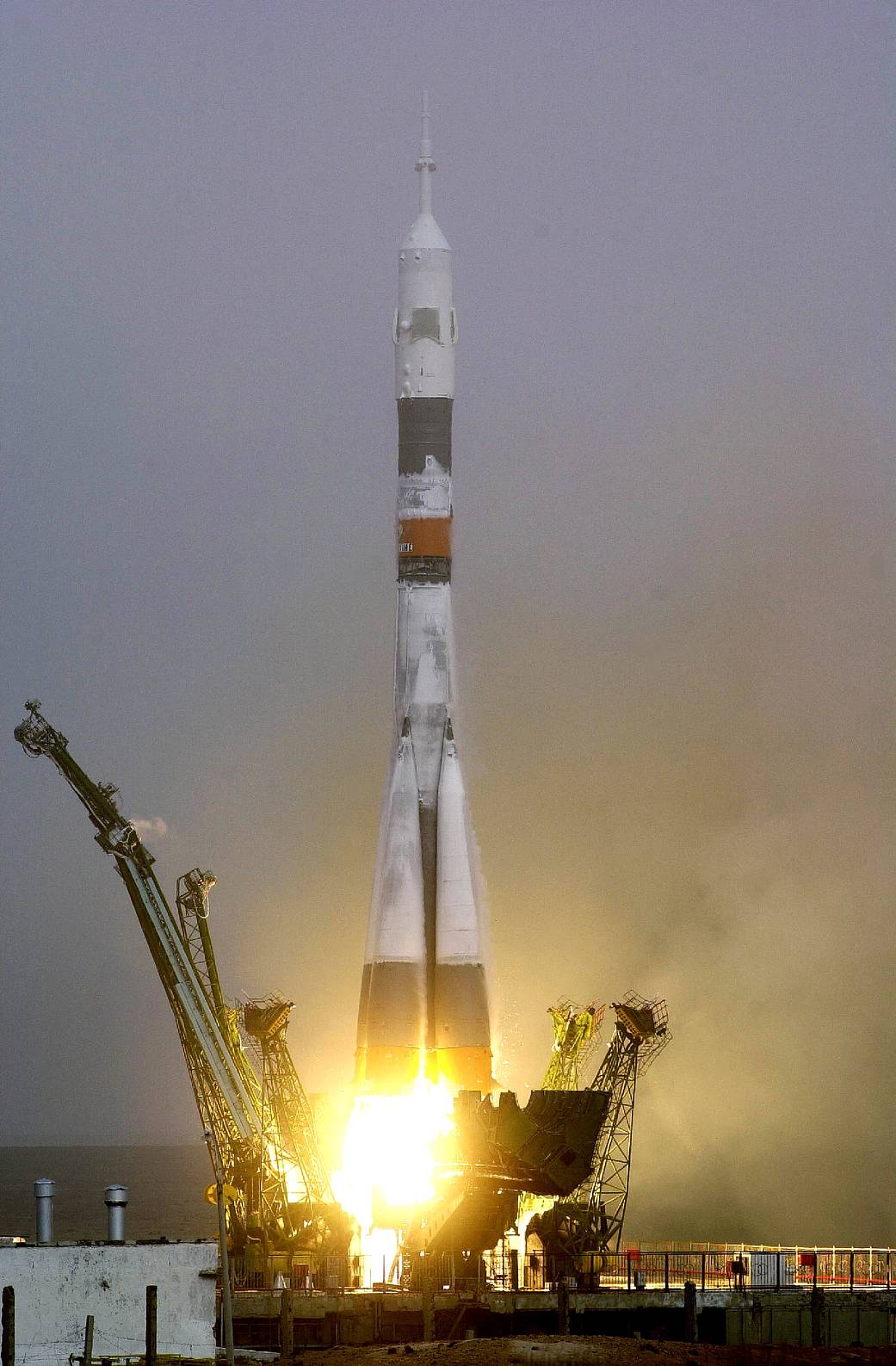
On November 20, 1998, a rocket thundered into the sky
carrying a bold idea. From 250 miles above Earth, astronauts would
soon gaze down at a blue planet with no borders, no conflicts—just home. That
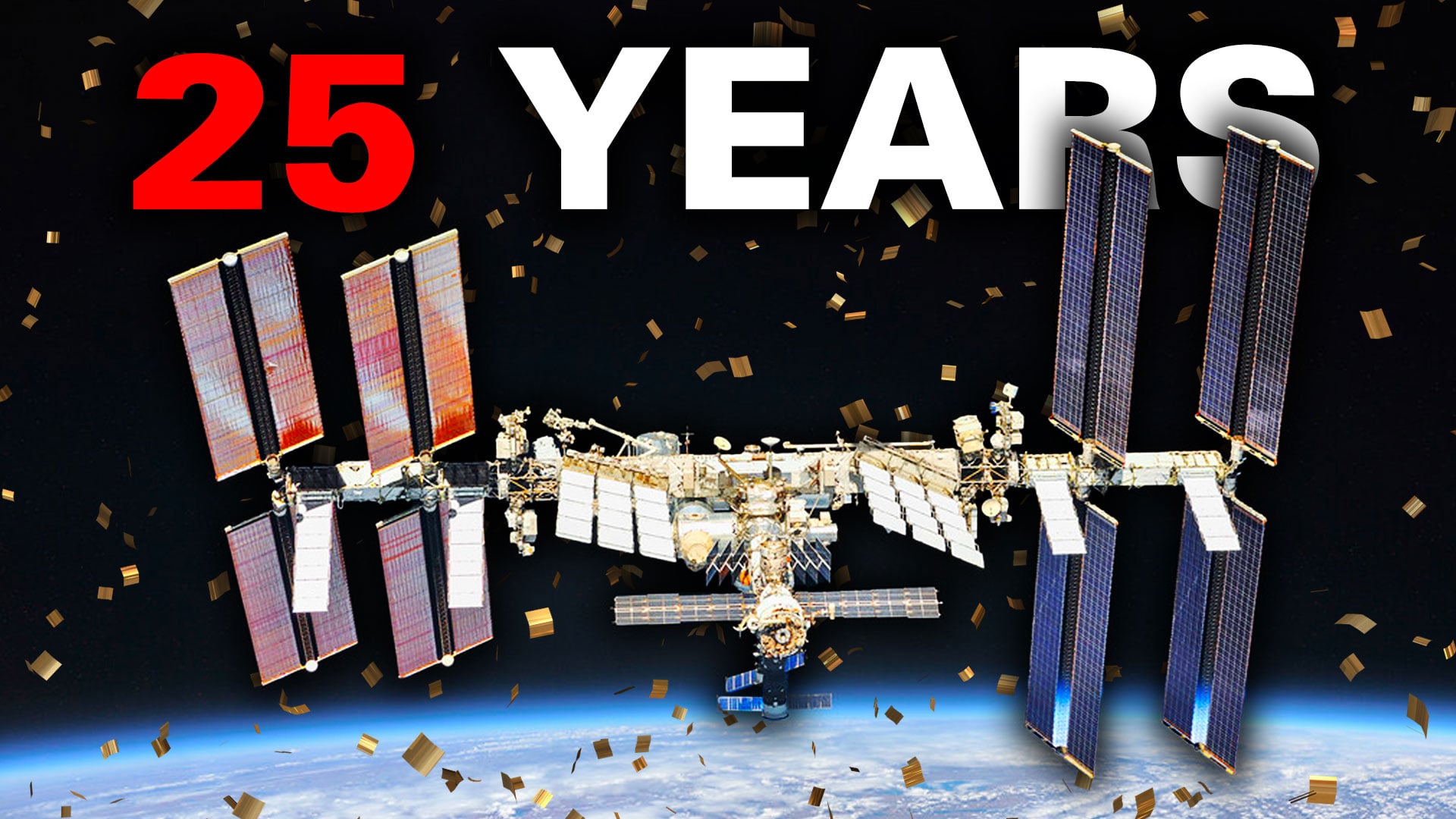
launch began the journey of the International Space Station 25 years story,
a milestone that still shapes modern spaceflight.

Today, the ISS 25th anniversary marks
more than hardware in orbit. The station has hosted 269 people from 20
countries, making it the most internationally diverse project ever built
beyond Earth. Over 25 years of ISS orbit, it has become a
laboratory, a home, and a symbol of global teamwork.
So why do scientists, astronauts, and everyday space
fans still celebrate ISS 25 years in space? Let’s explore its
history, science wins, daily life, teamwork, and what lies ahead—and ask: How
has the ISS changed space travel forever?
The Launch and Early Years

First Module Blasts Off
The ISS launch date—November 20, 1998—saw
the Zarya module lift off atop a Russian Proton rocket.
Weighing 43,000 pounds, Zarya was the first physical step in
building a permanent human presence in orbit.
According to NASA, “It marked humanity’s
foothold in space.” This moment answered the question many still
search for online: when did ISS launch?
Assembly Takes Shape
Just days later, the Unity module docked with Zarya.
Next came one of the most complex build-outs in human history—the ISS took a
decade plus, requiring 42 shuttle-based assembly flights to put the pieces in
place.
The old videos of the astronauts securing giant
sections in weightlessness strike hard because progress rarely happens all at
once; it grows, piece by piece, with great patience and exacting care.
Crew Arrives in 2000
In November 2000, Expedition 1 arrived,
led by Bill Shepherd. Their six-month mission tested
life-support systems, routines, and human endurance.
Key takeaways from the early years:
- Trust
keeps teams alive.
- Preparation
beats surprises.
- Small
systems failures can have big consequences.
Science Breakthroughs from Orbit

Over 3,000 Experiments Run
Over 3,000 experiments define science
on ISS 25 years. Researchers explored medicine, physics, materials science,
and Earth observation. One standout result: protein crystals grow up to
10 times better in microgravity, accelerating drug discovery.
Flame experiments aboard the ISS also transformed
fire-safety standards on Earth by revealing how fire behaves without
gravity-driven airflow.
Health Wins for Humans
A landmark study compared astronaut Scott Kelly after
a year in orbit with his twin brother Mark Kelly on Earth. The
findings showed rapid bone density loss, vision changes, and genetic shifts—but
also how the body can recover.
As Peggy Whitson explained, “This
data guides future Mars trips.”
Earth Benefits Back Home
ISS research doesn’t stay in space. Water purification
systems developed for astronauts now help communities with limited clean water.
Earth-observation cameras track crops, storms, and climate change in real time.
Practical tips inspired by ISS tech:
- Use
satellite weather apps.
- Track
environmental data.
- Support
space-funded research.
Life Aboard: A Day in Space
Daily Routines and Meals

A typical ISS day starts at 6:00 AM.
Astronauts exercise two hours daily to fight bone loss and eat
around 3,000 calories from specially packaged meals. Fresh
lettuce grown onboard is a rare but cherished treat.
Exercise and Mental Health

Treadmills and bikes are strapped down to work in zero
gravity. Crew journals reveal that teamwork, shared meals, and humor help
combat isolation—key insights for long-duration missions.
Actionable idea: Try
low-impact resistance workouts inspired by astronaut routines.
Holidays and Fun Moments
Even in orbit, astronauts celebrate. Floating
Christmas trees and video calls home keep morale high. Sunita Williams once
said, “Space feels small with good friends.”
Global Teamwork Fuels Success
Partners from 15 Nations
The ISS celebrates 25 years as a
triumph of cooperation. Agencies including Roscosmos, European Space
Agency, JAXA, and Canadian Space Agency joined NASA in sharing
a $150 billion effort.
After U.S. shuttles retired, Soyuz spacecraft reliably
ferried crews—proof that collaboration sustains exploration.
Crises Handled Together
In 2018, a small air leak threatened safety.
International teams identified and patched it quickly. The lesson was clear:
trust across borders saves lives.
Lessons for Earth teams:
- Rotate
roles.
- Train
for worst cases.
- Celebrate
small wins.
Challenges and the Way Ahead
Technical bumps and fixes
From the torn solar wings of 2007 to aging modules,
the ISS had its fair share of setbacks. Over 300 spacewalks kept it afloat with
the help of robotic arms piecing together huge structures with surgical
precision.
What lies beyond 2030
But as plans to deorbit the ISS pick up momentum, a
host of private platforms, including Axiom, hope to take its place as the next
great space station in orbit. Meanwhile, NASA's Artemis program connects the
dots from lessons learned on the ISS to future Moon bases and Mars missions.
Experts agree: The ISS's legacy through 2030 will
drive both commercial ventures and deep-space exploration.
Conclusion
After 25 years of ISS orbit, the numbers
speak volumes—thousands of experiments, hundreds of astronauts, and uncountable
moments of discovery. But the real achievement is human.
The International Space Station 25 years journey
proves that when nations work together, even the sky isn’t the limit. Want to
be part of the celebration? Watch live ISS cams, follow NASA ISS 25th
anniversary events, and keep dreaming big.
The ISS orbits on lighting our future among the stars.




Comments
Post a Comment