The Risk-Free Lab: How VR is Revolutionizing High-School Chemistry | Souparna
The Risk-Free Lab: How VR is Revolutionizing High-School Chemistry

Introduction
Imagine a teenager, in a school lab, mixing acids with
no gloves. One wrong move, one spill—and suddenly there are burns, panic, and a
trip to the nurse’s office. Scenes like this are exactly why chemistry labs
often make parents anxious and teachers cautious. While hands-on learning is
vital in science, real laboratories come with real dangers, time limits, and
strict supervision.
The problem is larger than discomfort: according to
the 2024 CDC data, almost 70% of the chemistry lab accidents reported occurred
in high schools, where students have not mastered basic safety and procedures.
Schools commonly avoid risks by reducing hours spent in labs, restricting
experiments, or refraining from practicals altogether.
This is where Virtual Reality steps
in as a real game-changer. VR creates safe, immersive virtual labs where
students can experiment freely-no burns, no toxic fumes, no broken glass. The
result? Lower risk, deeper understanding, and a renewed excitement for
chemistry. Simply put, VR is cutting dangers while boosting learning outcomes
in high-school chemistry.
Dangers in Traditional Labs

Common Accidents and Injuries
Though valuable, traditional chemistry labs are not
very harmless. Every year, thousands of students suffer from clearly
preventable injuries during experiments. The most common incidents that happen
include:
- Burns
from hot plates, Bunsen burners or chemical spills.
- Chemical
exposure that causes skin irritation, or respiratory problems, or
poisoning.
- Cuts
and infections due to broken glassware
The NSC-2025 estimates that more than 25,000 student
lab injuries occur in the United States alone each year. These figures
encourage schools to minimize contact with hands-on activities, ironically
weakening practical science education.
Cost and Access Barriers
Besides safety, cost is another major barrier. Proper
lab setups are expensive:
- A
single fume hood may cost $10,000 or more.
- Ongoing
chemical supplies need replacement continuously.
- Safety
equipment, waste removal and servicing result in many hidden costs.
Because of these costs, many schools—especially in
rural or underfunded districts—skip advanced experiments altogether. Some avoid
labs because transporting students or hazardous materials isn't feasible.
Teacher and Parent Worries
Teachers and parents bear the emotional weight of
these liabilities. As one high-school chemistry teacher once so succinctly put
it:
“I fear lawsuits more than reactions.”
Insurance premiums often increase after lab incidents,
and a single serious accident can halt a school's entire science program.
Therefore, educators walk a tightrope between safety and effective learning.
How VR Labs Work

Core Tech Basics
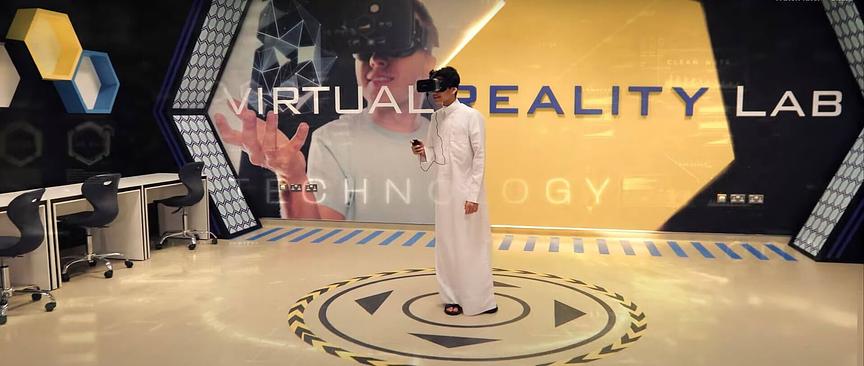
Real-world experiments are replicated in the VR
chemistry labs using this technology. The students wear VR headsets that place
them inside a completely interactive laboratory. The key features include:
- 3D
molecules that students can rotate, zoom into and manipulate.
- Motion
controllers that emulate tools, such as pipettes, beakers, and burners.
- Real-time
tracking of every action, from measurements to the timing of reactions.
Instead of reading about reactions, the students
experience them.
Key Safety Wins
The biggest advantage is obvious-no real chemicals, no
real harm. In VR labs:
- Dangerous
reactions are completely risk-free.
- Students
can repeat experiments endlessly without extra cost.
- Teachers
can pause simulations mid-explosion to explain what went wrong.
Mistakes are learning moments, not medical
emergencies.
Matching Real Science
VR isn't all smoke and mirrors; it has some real
science behind it. Advanced physics engines simulate reactions with impressive
accuracy: a 2025 MIT study found that VR lab simulations match real-world lab
results a surprisingly high 95% of the time, which makes them reliable teaching
tools, not shortcuts.
Real-World Wins and Stories
Case Study: Lincoln High School
Lincoln High School made headlines when it switched
over to Labster VR this year, 2024. The results were striking:
- Chemistry
test scores improved by 28%.
- Students
completed more experiments in less time.
- There
were no lab accidents reported in the first year.
Teachers reported higher engagement whereas parents
were reassured about safety.
Expert Views
Education experts strongly support the shift.
“VR frees kids to fail fast and learn,” says Dr.
Alex Kim, a leading VR education specialist.
Adoption has been fast-growing worldwide. According to
the EdTech report of December 2025, over 500 schools worldwide began using VR
chemistry labs, with educators reporting an average increase in student
engagement by 40%.
Student Feedback
The biggest fans are usually the students themselves.
Some common feedback includes:
- “It
feels real, but safe.”
- “I
mix things I was scared of before.”
- “Chemistry
is actually fun now.”
Many schools report that the fun factor alone triples
the time students will spend willingly in the lab.
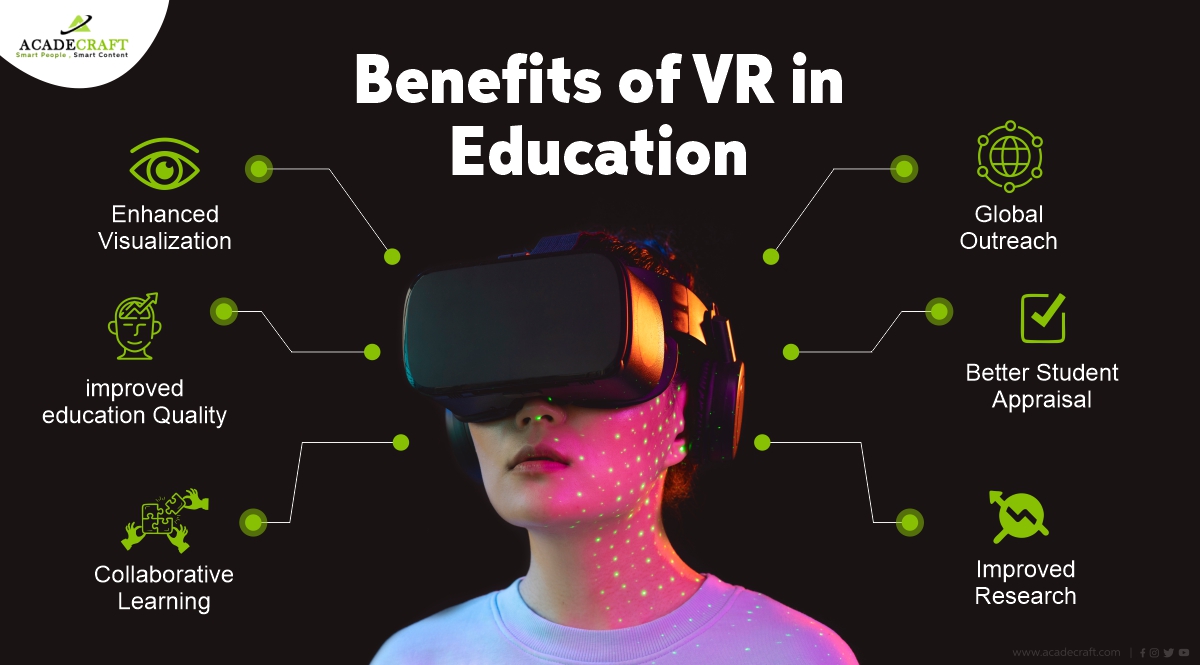
Benefits for VR Learning in Schools

Student Gains
Virtual reality labs revolutionize the way students
learn chemistry. Benefits include:
- Deeper
understanding of abstract concepts such as molecular bonds and reaction
energy
- Enhanced
problem-solving and data analysis skills
- Inclusive
learning for students with physical limitations or anxiety related to real
labs.
Removing fear, VR allows curiosity to take center
stage.
Teacher Tools
For educators, VR is not extra work-it's a support
system:
- Automatic
grading of lab performance
- Detailed
progress tracking per student
- Less
preparation time, fewer safety checks
Actionable takeaway: Most
VR lab platforms offer free trials, so teachers can easily test before
committing.
School Savings
VR financially makes strong sense: schools can cut
lab-related costs up to 80% over time. Practical steps include:
- Buying
budget VR headsets for under $300
- Training
staff in a single day
- Scaling
from small groups up to full classes rapidly
Once established, VR labs can be reused year after
year.
Conclusion
Chemistry doesn't have to be dangerous to be
effective. VR labs eliminate the risks that have long limited hands-on science
education while re-igniting student curiosity. From zero accidents to higher
test scores, the evidence speaks for itself: VR is remaking high-school
chemistry for the better.
Let schools try a VR lab demo today and see the
difference. Safe labs don’t weaken science; they empower it.
Safe labs build bold scientists.
Looking ahead, the future is closer than we think.
- By
2030, VR will be commonplace in 80% of US high schools.
- Virtual
will not replace real labs; they will coexist.
- Students
will enter college labs more confident than ever.
The risk-free lab isn’t a dream anymore-it is already here.


:max_bytes(150000):strip_icc()/smiling-girl-gesturing-while-surrounded-by-smoke-675577547-86d3a31f71484d81b56d24334bce5730.jpg)
Comments
Post a Comment