Smartwatch or Smart Ring: Best for Daily Heart Rate Checks in 2025 | Souparna
Smartwatch or Smart Ring: Best for Daily Heart Rate Checks in 2025

In 2025, heart health has gone mainstream. That means 78% of adults monitor heart rate daily to catch early warning signs and stay proactive about fitness, per the World Health Organization. What once was a niche habit for athletes had grown to become part of everyday general wellness routines.
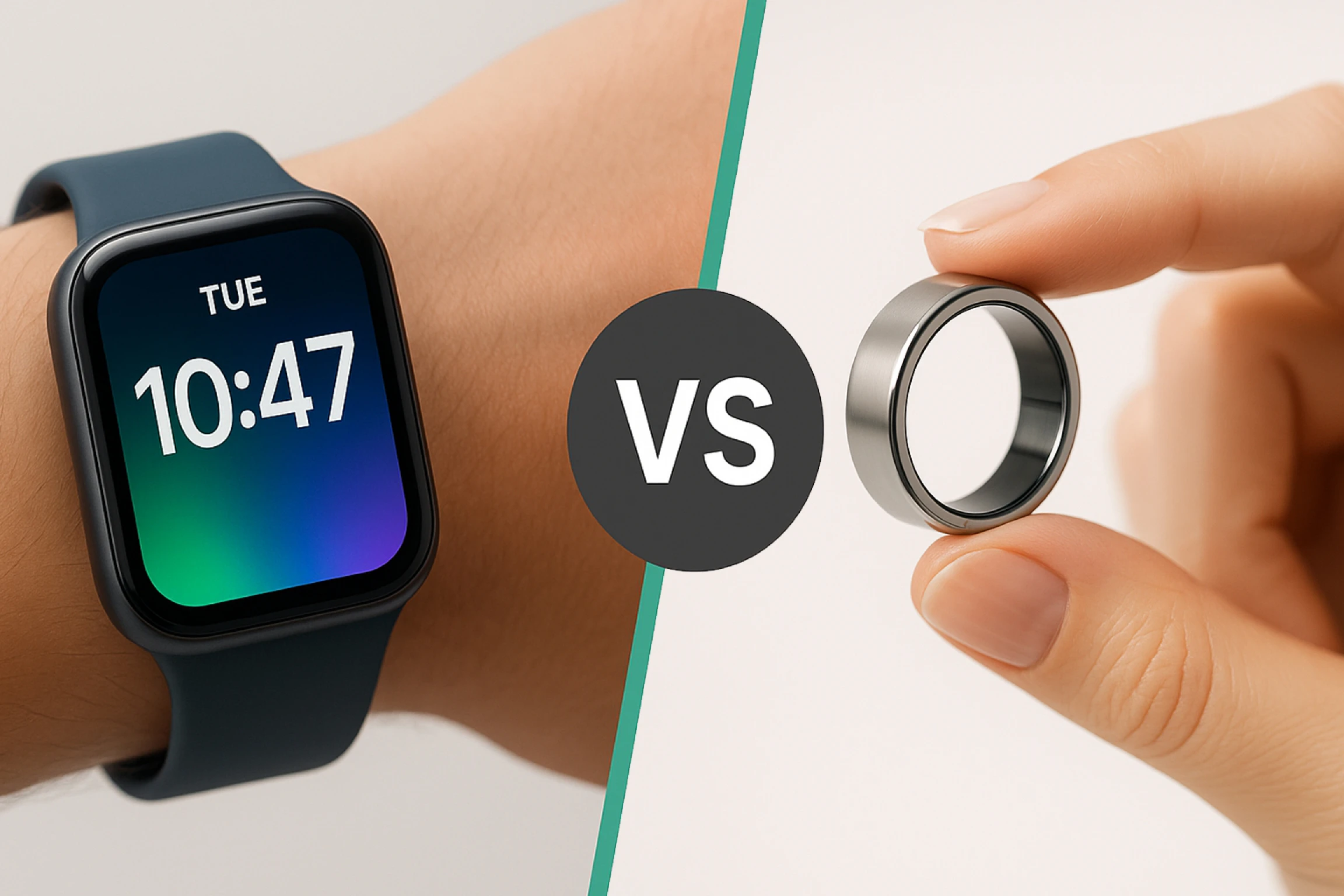
But one big question divides users: do you go for the
feature-packed smartwatch or the barely-there smart ring? One proudly sits on
your wrist with graphs and alerts, while the other hides more discreetly on
your finger, tracking in the background. Below, in this blog, the decision is
unpacked by focusing on what really matters to anyone doing a daily heart rate
check: accuracy, comfort, battery life, and real-world usability. By the end,
you will know which wearable fits your lifestyle-and your heart.
This blog unpacks the decision by focusing on what
really matters for anyone doing a daily heart rate check, like accuracy,
comfort, battery life, and real-world usability. By the end, you will know
which wearable fits your lifestyle-and your heart.
How Heart Rate Tech Works in Wearables

Optical Sensors Explained
Smartwatches and smart rings both use optical heart
rate sensors, aka photoplethysmography. Tiny LED lights—usually green—shine
into your skin. That light bounces back as blood pulses through your veins,
reflecting differently at every pulse. Sensors detect those changes and turn
them into heart rate data.
Green light will always be more common because it
strikes a good balance between accuracy and power efficiency. A 2025 study
published in the Journal of Cardiology reported that modern wearable sensors
maintain an accuracy within 5% of medical-grade devices during rest.
The key difference lies in placement:
- Smartwatches read
blood flow from the wrist.
- Smart
rings use the finger, where blood vessels are
closer to the skin, which often improves signal clarity, particularly
during sleep.
Key Metrics to Track
Daily heart rate tracking isn't all about the numbers;
it's about the patterns. The key metrics include:
- Resting
heart rate (RHR): Normally 60–100 bpm for
adults.
- High
and low alerts: Warnings when heart rate rises
above 100 bpm at rest or drops below 50
- Trends
over time: Long-term data allows for the
identification of issues early on. Harvard Health reports that irregular
patterns, if identified using wearables early on, reduce arrhythmia risk
by 20% in 2025.
Limits of Consumer Tech
Wearables are powerful, but not perfect:
- Motion
interference can skew readings during
intense workouts.
- Skin
tone differences affect accuracy—darker skin
tones require stronger sensors, which newer models now address better.
- Fit
matters: Loose wearables reduce
accuracy.
Action step: Calibrate
your device weekly against a chest strap or clinical reading to get the best
results.
Smartwatches for Heart Rate: Pros and Cons
Top Strengths
Smartwatches excel when it comes to real-time
visibility: large, bright screens display live heart rate graphs, trends, and
alerts. In terms of clarity and depth, many now rival those from specialized
health devices.
They also integrate well with other features:
- GPS
tracking for running and cycling.
- ECG
and AFib Detection: Apple claims that the
Apple Watch Ultra 2 detected atrial fibrillation in 15% of previously
undiagnosed users, as stated in the Apple Health Report, 2025.
As cardiologist Dr. Jane Lee puts it:
“Smartwatches excel at immediate alerts
and active monitoring, which can be life-saving in high-risk users.”
Main Drawbacks
However, smartwatches have their disadvantages:
- Bulk
and comfort issues: More than 8 hours of wear
can cause wrist irritations.
- Battery
life: Most need daily charging, particularly with
active continuous heart rate checks.
One runner indicated that, coming from a Galaxy
Watch6, he missed the overnight heart rate trends due to the fact that the
watch was charging.
Best Use Cases
Smartwatches are ideal for:
- Gym
workouts and outdoor sports.
- For
users who need live alerts and multi-sport tracking.
Takeaway: Charge
nightly and wear snug—but never tight—for reliable readings.
Smart Rings for Heart Rate: Pros and Cons

Top Strengths
Smart rings are designed for effortless, all-day wear.
Their slim, lightweight form factor makes them easy to forget-one of their
largest advantages.
Another win is the battery life. Most rings last 5–7
days on a single charge. Oura Ring 4 maintained steady heart rate accuracy all
week in independent 2025 Battery Lab tests.
According to fitness expert Tom Reyes:
“Smart rings dominate sleep tracking
because they’re unobtrusive and stay on all night.”
Main Drawbacks
The minimal design has its trade-offs:
- No
screen: You need to check data through
an app.
- Fit
sensitivity: Finger swelling because of heat
or exercise can reduce accuracy and comfort.
Still, real-world benefits shine through. An office
worker using the Ultrahuman Ring uncovered stress-related spikes in heart rate
on workdays patterns their smartwatch had missed because they wore it
sporadically.
Best Use Cases
Smart rings are best for:
- Office
professionals.
- Users
focused on sleep, stress, and passive tracking.
Takeaway: Get
sized right and clean sensors daily for optimal performance.
Head-to-Head Comparison in 2025
Accuracy Showdown
- Smartwatches: They
are 95% accurate when resting, very close to ECG readings. - Consumer
Reports, 2025.
- Smart
rings: Around 93% during sleep,
dropping to approximately 90% during activity.
Both are reliable for everyday checks, but at
workouts, watches have a slight edge.
Comfort vs Battery Battle
- Smart
rings weigh 70% less compared to watches.
- Watches
drain battery three times faster with continuous monitoring.
Among Fitbit users participating in a 30-day online
poll, 85% preferred ring comfort all day.
Price and Features Edge
- Smartwatches: ₹20,000–₹45,000
($200–$500), packed with calls, apps, and GPS.
- Smart
rings: Approximately ₹25,000–₹30,000
($300), focus purely on health metrics.
Action tip: If
your budget is under $400 and you want basics, then a ring offers better value.
Top Picks and Final Verdict
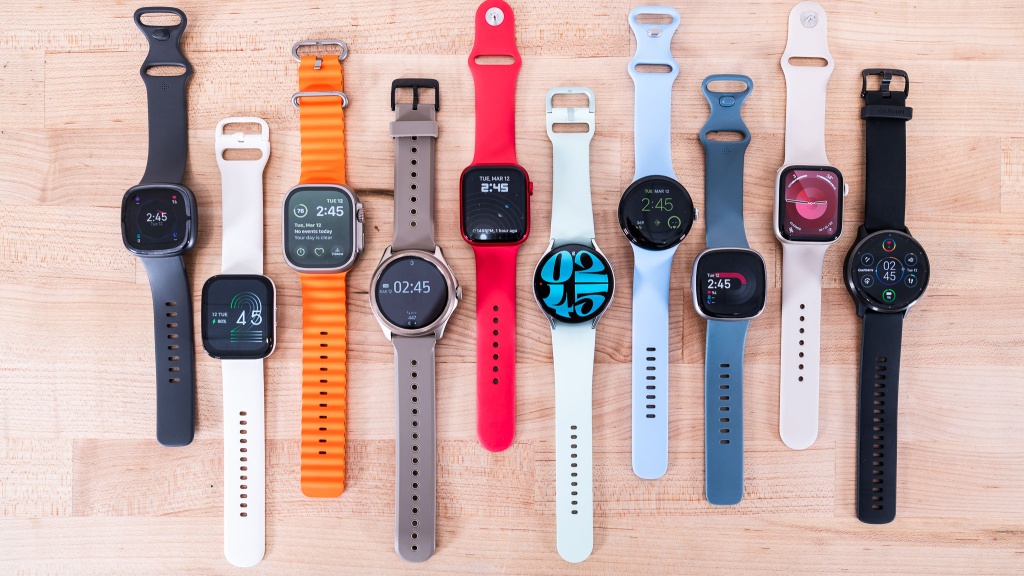
Best Smartwatches

- Apple
Watch Series 10: Industry-leading Accuracy &
AFib Detection.
- Samsung
Galaxy Watch7: The best for Android users, now
with improved battery life.
- Garmin
Venu 3: For athletes and endurance
training.
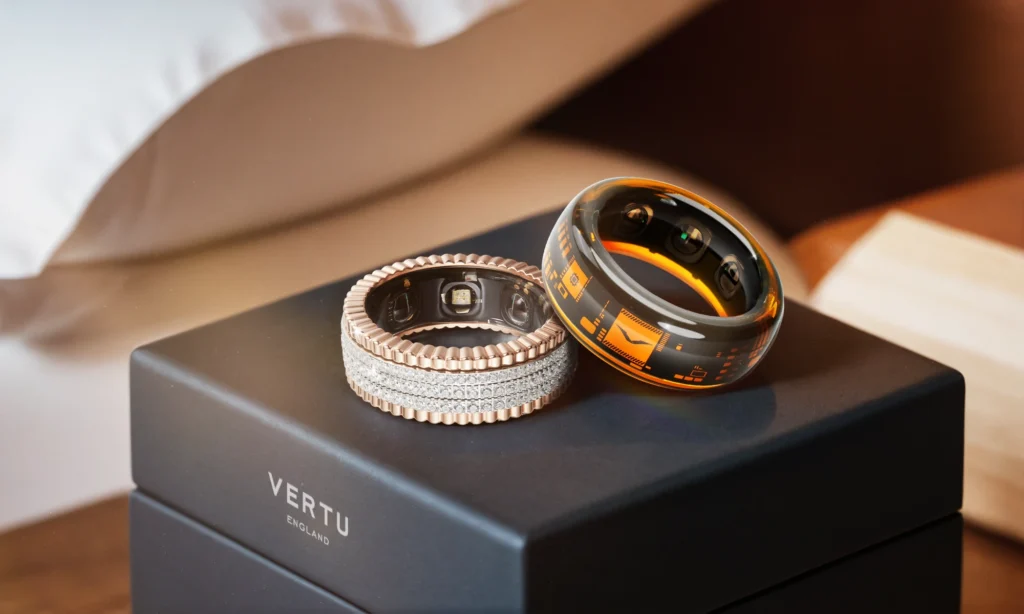
Best Smart Rings

- Oura
Ring 4: Best-in-class for sleep and
recovery insights.
- RingConn
Gen 2: Budget-friendly with solid
accuracy.
- Amazfit
Helio: The emerging value champion in
2025.
Conclusion
Smartwatch or smart ring? It all depends on how you
live.
- Smart
rings are best suited for subtle, consistent
daily heart rate checks and long-term compliance.
- Smartwatches suit
active users with live alerts, workouts, and multi-feature ecosystems.
Studies show the smart ring increases daily tracking
compliance by a factor of 40% due to greater wear, JAMA 2025.
Try both, if you can. Check the fit in-store, track
your heart rate for one week, then choose the device that will fit seamlessly
into your life. Your heart will thank you.




Comments
Post a Comment