Micro-Learning, Nano-Degrees, and AI Tutors: The New Path to High-Paying Tech Jobs | Souparna
Micro-Learning, Nano-Degrees, and AI Tutors: The New Path to High-Paying Tech Jobs

Six months ago, Alex was pulling shots of espresso
behind the jostling counter of a busy café, collecting tips and wondering how
much longer this life could last. Today, Alex is a junior software engineer
making $120,000 a year. No four-year computer science degree. No mountain of
student debt. The difference? Micro-learning, a nano-degree, and an AI
tutor-used consistently for less than an hour a day.
This is no longer a rare story. Traditional degrees
take years and cost lakhs (or even crores), but the tech industry evolves every
few months. Employers now care less about where you studied and more about what
you can build and how fast you can learn. That’s why modern learning methods
are exploding.
By 2025, 40% of tech hires came from non-degree
learning paths according to LinkedIn data. Fast, flexible, and skill-focused
education is no longer an alternative-it's becoming the main road. Let's break
down how micro-learning, nano-degrees, and AI tutors work, and how you can use
them together to land a high-paying tech job.
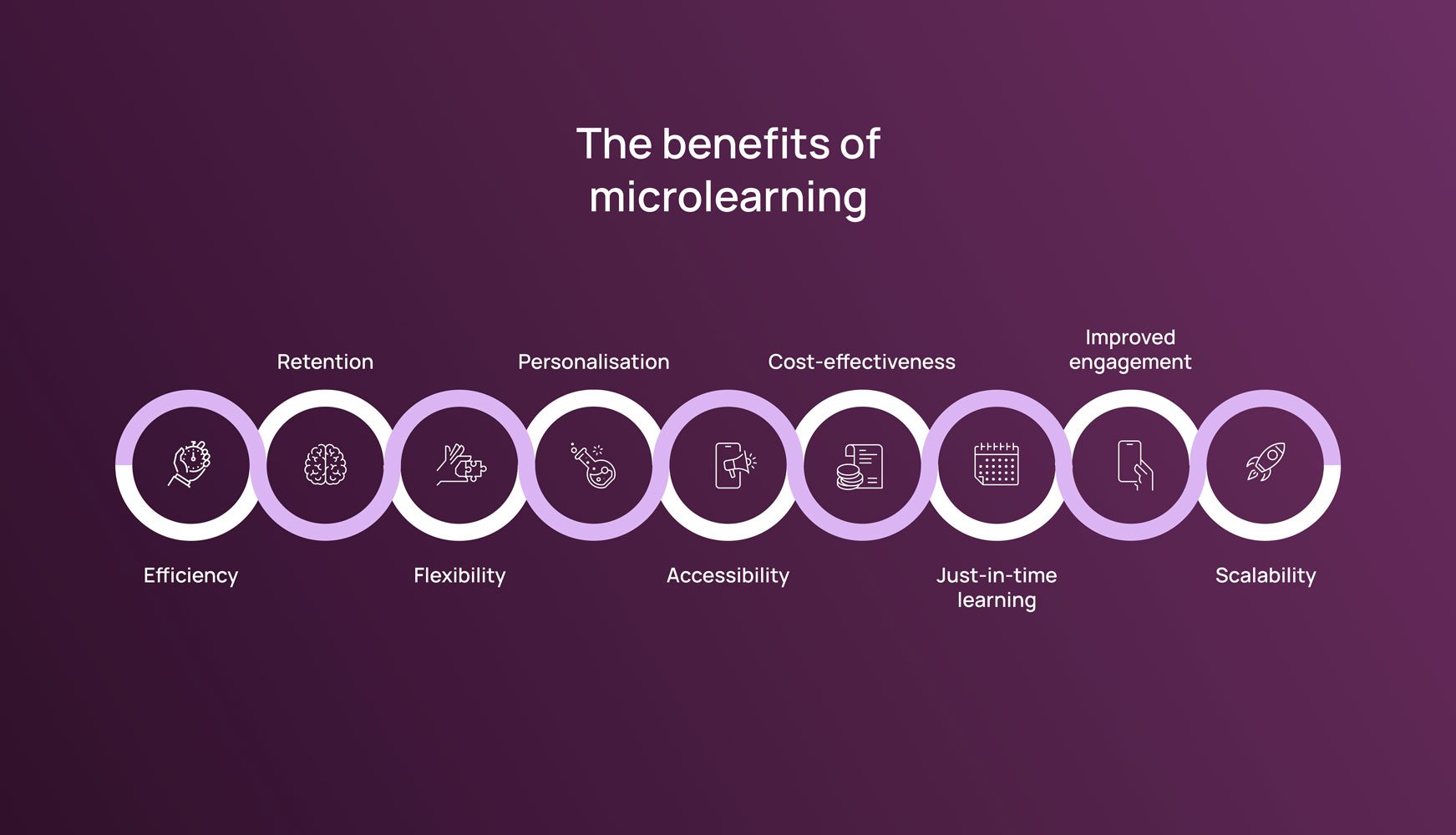
What Is Micro-Learning and Why It Beats Old School Training

Key Features of Micro-Learning
Micro-learning chops up learning into little chunks
that usually last from 5–15 minutes, covering only one exact skill. Instead of
sitting through a two-hour lecture on "Python basics," you might
learn just loops or functions in one short session.
It’s designed for real life:
- Bite-sized
lessons you can finish during a commute or a lunch break.
- Mobile-first
access, so learning fits around your schedule.
- High
focus, zero fluff
The results are powerful. One such 2024 e-learning
study shows that learners retain 80% of the content from micro-lessons, not
just the 20% coming from an hour-long lecture. Less time, more impact.
Real-World Wins
Sites like Duolingo have long since moved past
languages. Its tech-focused learning tracks have helped more than 500,000 users
transition into new careers in areas such as tech support, automation, and even
entry-level programming.
The secret isn't intensity, it's consistency.
Action step: Select
one sought-after skill, such as Python basics or SQL queries. Work just for 10
minutes a day. In a month, you will already be far above the average beginner.
Expert View
As Coursera CEO Jeff Maggioncalda puts
it:
“Micro-lessons stick because they fit real
life.”
And anything that fits real life actually gets
finished.
Nano-Degrees: Quick Credentials That Employers Love

How Nano-Degrees Work
Nano-degrees in contrast are short, job-focused
programs, usually lasting 3–6 months, from platforms such as Udacity, Coursera,
and edX. Rather than the usual theory-heavy exams, these courses are built
around practical projects.
Key features include:
- Real-world
projects to build apps, dashboards, or security tools.
- Mentor
feedback.
- Industry-aligned
curricula.
- Affordability:
between $300 and $1,000, instead of $50,000+ for a full degree.
You don’t just “learn”—you produce proof.
Case Study Spotlight
Google Career Certificates are, perhaps, one of the
most striking examples in this regard. According to a report in 2025, 75% of
graduates landed jobs within six months, with an average salary of $85,000. The
positions included those in IT support, data analytics, UX design and more.
Employers trust these credentials as a representation
of job-ready skills, not academic theory.
Action takeaway: Take
up a nano-degree in data analytics or cloud fundamentals. Try to finish one
project per week-small progress adds up fast.
Industry Proof
A hiring lead at Google summed it up perfectly:
“We hire nano-degree holders over degree
grads for skills.”
In tech, what you can do today matters
more than what you studied years ago.
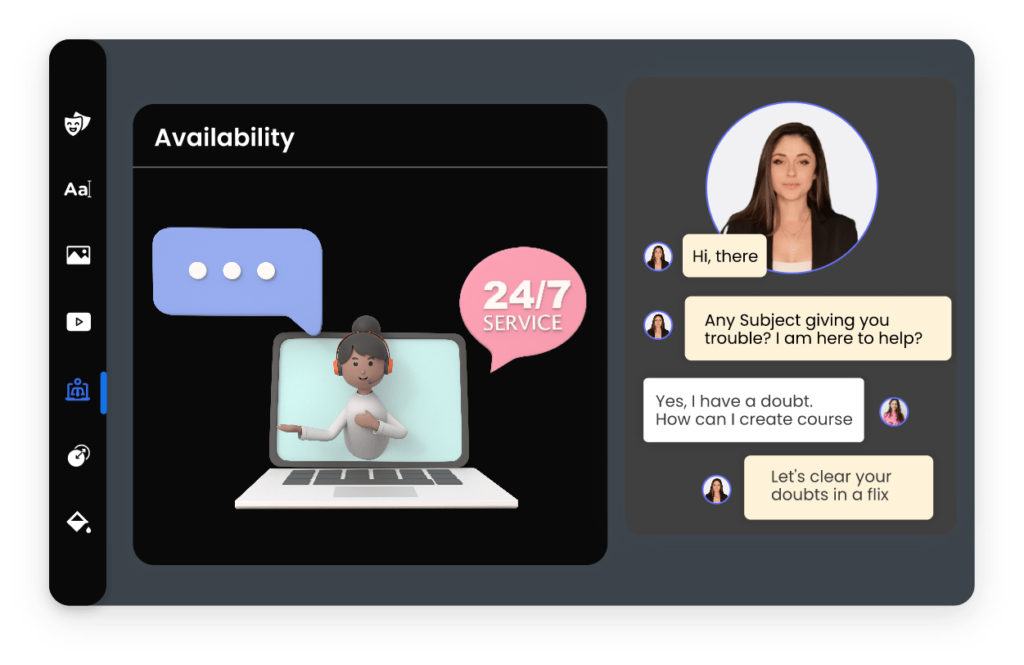
AI Tutors: Your 24/7 Personal Coach

Smarter Than Ever Tools
AI tutors have completely changed the game. Tools such
as Khanmigo, Duolingo Max, and ChatGPT tutor modes act more like personal
teachers available anytime and completely non-judgmental.
What makes AI tutors powerful?
- Adaptive
learning paths: skip what you already know.
- Instant
Feedback on Code, Answers, or Logic.
- Targeted
drills for weak areas
A 2025 EdTech survey of learners using AI tutors
showed that they mastered skills twice as fast as those using static courses
alone.
Success Stories
One student studying for an AWS certification used an
AI tutor daily to explain concepts, quiz weak areas, and debug practice labs.
The result? They passed the exam in four weeks and now make $110,000 annually
as a cloud associate.
AI doesn't replace effort; it amplifies.
Action: Practice
coding problems, ask "why" questions, or emulate interview tasks from
a free AI tutor daily.
Expert Tips
AI educator Andrew Ng explains it
best:
“AI spots gaps humans miss.”
That’s exactly what learners need—fast feedback, not
delayed grades.
Proven Paths to Tech Jobs with These Tools
Top Tech Roles Open Now
A number of technology roles are particularly
welcoming to non-degree candidates:
- Software
Developer
- Data
Analyst
- Cybersecurity
Analyst
- Cloud
Support Engineer
Many entry-level salaries begin at $90,000+, and
demand only continues to rise. The U.S. Bureau of Labor Statistics projects 1
million unfilled tech jobs by 2026.
The problem isn't lack of jobs-it's lack of job-ready
skills.
Combine for Maximum Impact
The real magic happens when you stack all three tools
together.
Simple roadmap:
- Week
1–4: Micro-learning for fundamentals
- Month
2–4: Nano-degree with hands-on projects
- Ongoing: AI
tutor for daily feedback and practice
This combo builds skills, proof, and confidence—fast.
Job Hunt Hacks
Once skills are in place, visibility matters.
- Build
a GitHub portfolio with clean projects
- Share
learnings on LinkedIn
- Practice
interviews with AI
As one Indeed recruiter puts it:
“Skills portfolios trump resumes.”
Show what you’ve built, not just where you studied.
Conclusion
Micro-learning, nano-degrees, and AI tutors are
reordering the rules for career growth. They shave years off traditional paths,
slash costs, and focus on exactly what employers want: practical skills.
You do not have to quit your job tomorrow or spend
years in college. You have to just start small and stay consistent.
Today, pick one tool. Commit 20 minutes a
day and in six months, your career story could look completely different.
Tech jobs are waiting.
Your new path now begins.




Comments
Post a Comment