How Delhi's Winter Smog Hits Your Lungs Hard | Souparna
How Delhi's Winter Smog Hits Your Lungs Hard
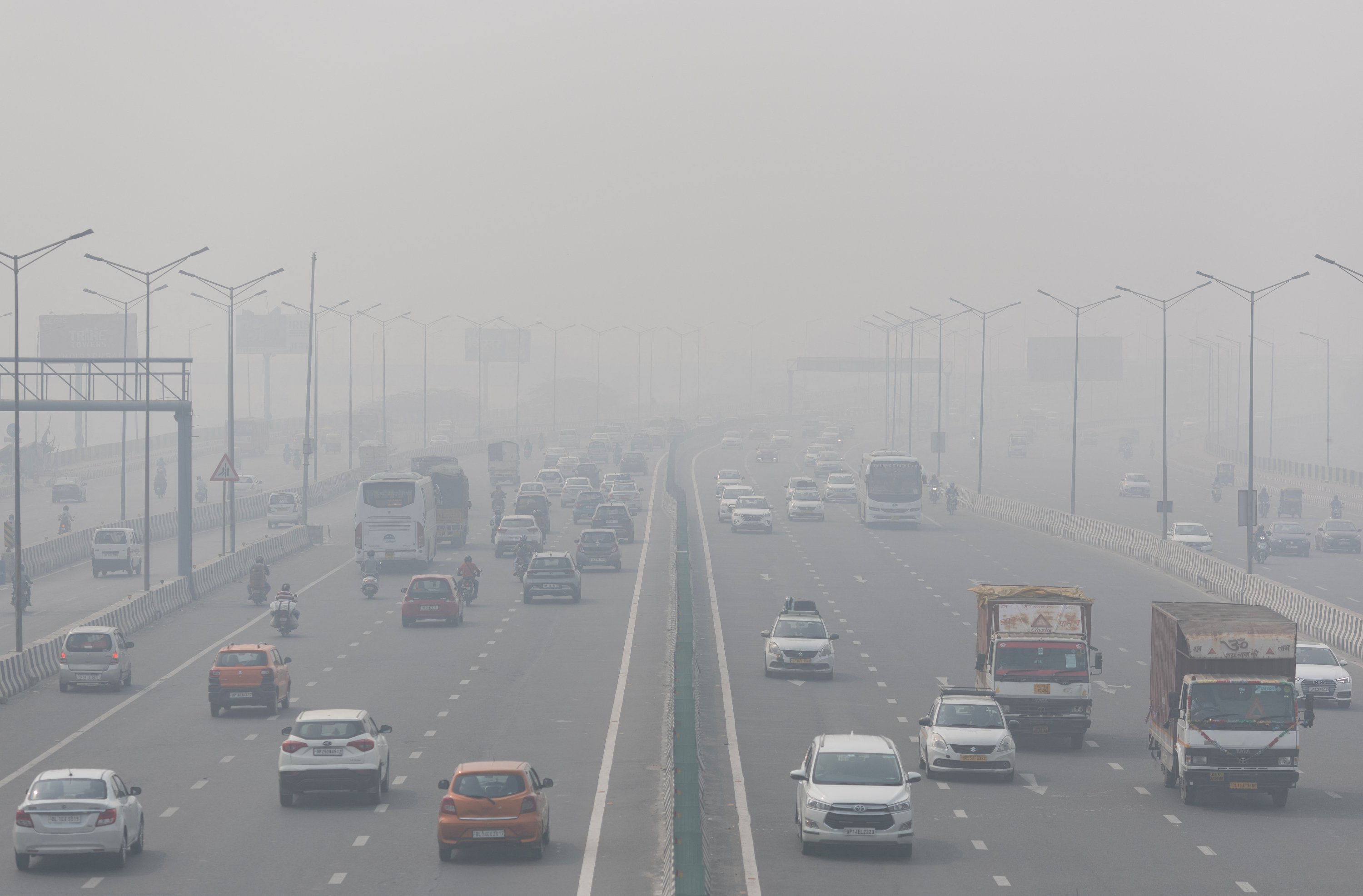
It’s a foggy December morning in Delhi, winter 2025.
You step outside, and the air feels thick—almost chewable. Your eyes sting,
your throat burns, and within minutes, you’re coughing. This isn’t just fog;
it’s Delhi winter smog lung damage in real time.
Ever coughed through the haze and wondered what’s
silently happening inside your lungs?

Every winter, AQI Delhi lungs danger levels
soar past 400, sometimes touching 450—classified as severe. Doctors
warn that this toxic mix can harm lungs in days, not years. In this blog, we
break down how smog hurts lungs in Delhi winter, the shocking
health stats, real local stories, and simple steps to protect your breathing.
Delhi’s winter pollution spike damages lungs fast—but
with the right awareness and actions, you can reduce the impact.
What Fuels Delhi's Winter Smog Crisis

Image Source: Daily Sabah
Crop Burning and Stubble Fires
One of the biggest causes of stubble burning
lungs Delhi residents suffer from is crop residue fires in Punjab and
Haryana.
- Over 10,000
stubble fires occur every year.
- These
fires push PM2.5 levels up by 40%, blanketing Delhi in smoke.
In late 2024, persistent winds trapped this smoke over
the city for weeks, triggering a surge in bronchitis Delhi winter haze cases.
Traffic and Vehicle Exhaust
Delhi has more than 12 million vehicles,
contributing nearly 30% of daily smog particles.
Diesel exhaust is especially harmful. According to pulmonologist Dr. Arun
Gupta, “Diesel fumes stick deep in lung tissue, causing long-term
inflammation.” This makes vehicle smoke winter Delhi lungs a
major health risk.
Cold Traps and Household Smoke
Winter temperature inversion—when cold air traps
pollution near the ground—makes things worse.
- Pollutants
stay closer to your lungs instead of dispersing.
- Wood
stoves and coal heaters increase black carbon by 25%,
intensifying cold air traps pollution Delhi lungs.
How Smog Particles Attack Your Lungs

Short-Term Irritation and Cough Fits
PM2.5 particles are tiny—30 times smaller than a human
hair. They enter airways within hours, causing:
- Coughing
from Delhi smog
- Wheezing
in Delhi foggy air
- Chest
pain Delhi winter smog
During peak pollution days, hospital visits
Delhi smog cough cases double. Schools often report kids missing
classes due to asthma flare-ups.
Long-Term Damage to Lung Tissue
Repeated exposure causes scar tissue buildup. Studies
show:
- Lung
capacity drops 10–15% over time
- Chronic
exposure leads to COPD and recurring bronchitis
A WHO expert warns, “Delhi air ages lungs five
years faster than normal.” This explains why even non-smokers
experience symptoms similar to smokers.
Vulnerable Groups Hit Worst
- Kids
lungs Delhi winter pollution: developing
lungs absorb more toxins
- Elderly
breathing Delhi haze: weaker immunity raises
risk
- Asthmatics
face 3× more hospital visits
Shocking Stats and Real Delhi Stories
Winter AQI Data Breakdown
- November
2025 AQI peaked at 450
- PM2.5
levels reached 20× safe limits
- Breathing
Delhi air for a week ≈ smoking 10 packs daily
This makes winter air quality lungs impact one
of the worst globally—often worse than Beijing and far above Mumbai,
highlighting the Delhi vs Mumbai smog lungs gap.
Personal Case Study: "Delhi Is a Gas Chamber"
In late winter, a short video from Delhi went viral across social media. A young woman stood on her balcony, the city behind her buried under thick grey smog. Her voice shook as she said she wanted to move her parents out of Delhi because they were living in a “gas chamber.”
What made the video powerful wasn’t anger it was fear.
She described how her parents coughed every morning,
struggled with shortness of breath during Delhi winter pollution,
and avoided stepping outside even for basic walks. On the day she recorded the
video, Delhi’s AQI had crossed 430, firmly in the severe category.
Doctors warn that at this level, PM2.5 particles penetrate deep into
the lungs within hours, inflaming airways and reducing oxygen absorption.
Her parents had never smoked. Yet their
symptoms—persistent coughing, chest tightness, wheezing in Delhi’s foggy
air—mirrored those seen in long-term smokers. Pulmonologists explain that
breathing Delhi’s winter air for just one week at AQI 400+ can feel like smoking
8–10 packs of cigarettes, accelerating lung ageing and triggering chronic
conditions.
What the video captured emotionally, medical data
confirms clinically:
- Elderly
breathing Delhi haze face faster lung function
decline
- Repeated
exposure increases risks of bronchitis, COPD, and heart strain
- Many
families are now considering relocation purely due to Delhi winter
smog lung damage
The phrase “gas chamber” resonated nationwide because
it reflected lived reality. When residents feel forced to move their parents
away to protect their lungs, the crisis is no longer seasonal—it is personal.
Key takeaway: Delhi’s
winter smog isn’t just harming lungs—it’s reshaping life choices. AQI numbers
explain the danger, but stories like this show the cost: fear, displacement,
and a city where clean air feels out of reach.
Smart Ways to Shield Your Lungs This Winter

Daily Protection Habits
- Use
an N95 mask for Delhi winter smog outdoors
- Stay
indoors Delhi pollution lungs peak hours
(12–6 pm)
- Install
a HEPA air purifier Delhi winter home—cuts indoor PM by 80%
Boost Lung Health at Home
- Drink
ginger or turmeric tea—natural anti-inflammatories
- Practice
breathing exercises like pranayama
- Stay
hydrated: 3 liters daily helps flush toxins
- Try
saline rinse nose Delhi haze to clear pollutants
Push for Bigger Changes
Individual steps matter, but collective action saves
lives:
- Support
cleaner cooking stoves
- Choose
cycling or walking for short trips
- Advocate
against crop burning alternatives
An advisor from the Environmental Protection
Agency notes, “One clean day saves over 1,000 ER visits.”
Conclusion
Delhi’s winter smog isn’t just an inconvenience—it’s a
direct assault on your lungs. The stats prove it: rising AQI, climbing hospital
visits, and long-term lung damage affecting all age groups.
Act now.
- Track
AQI daily
- Protect
your home air
- Share
this knowledge
- Demand
sustainable crop solutions
Hope isn’t lost. With small, consistent steps, Delhi can move toward cleaner air and healthier winters—so every breath doesn’t feel like a battle.




Comments
Post a Comment