Fun Hands-On Activities That Spark Space Love | Souparna
Fun Hands-On Activities That Spark Space Love

Introduction
Do your kids stare at the stars and wonder what lies beyond? If yes, you're not alone-because, in fact, a 2024 NASA survey shows that 65% of children develop an interest in science, technology, engineering, and math through hands-on play. When little hands build, test, mix, and explore, they don't just have fun-they learn actual science. These activities fire up curiosity, teach basics such as gravity, orbits, planets, and galaxies, and make space feel close enough to touch.
Today's blog covers five exciting activity categories: mini solar system builds, kitchen science, backyard sky hunts, rocket physics fun, and virtual space quests. Each of these categories covers steps, insights from experts, and takeaways you can make use of right away.
Ready? Let's get supplies and spark some space dreams today.
Craft a Mini Solar System at Home

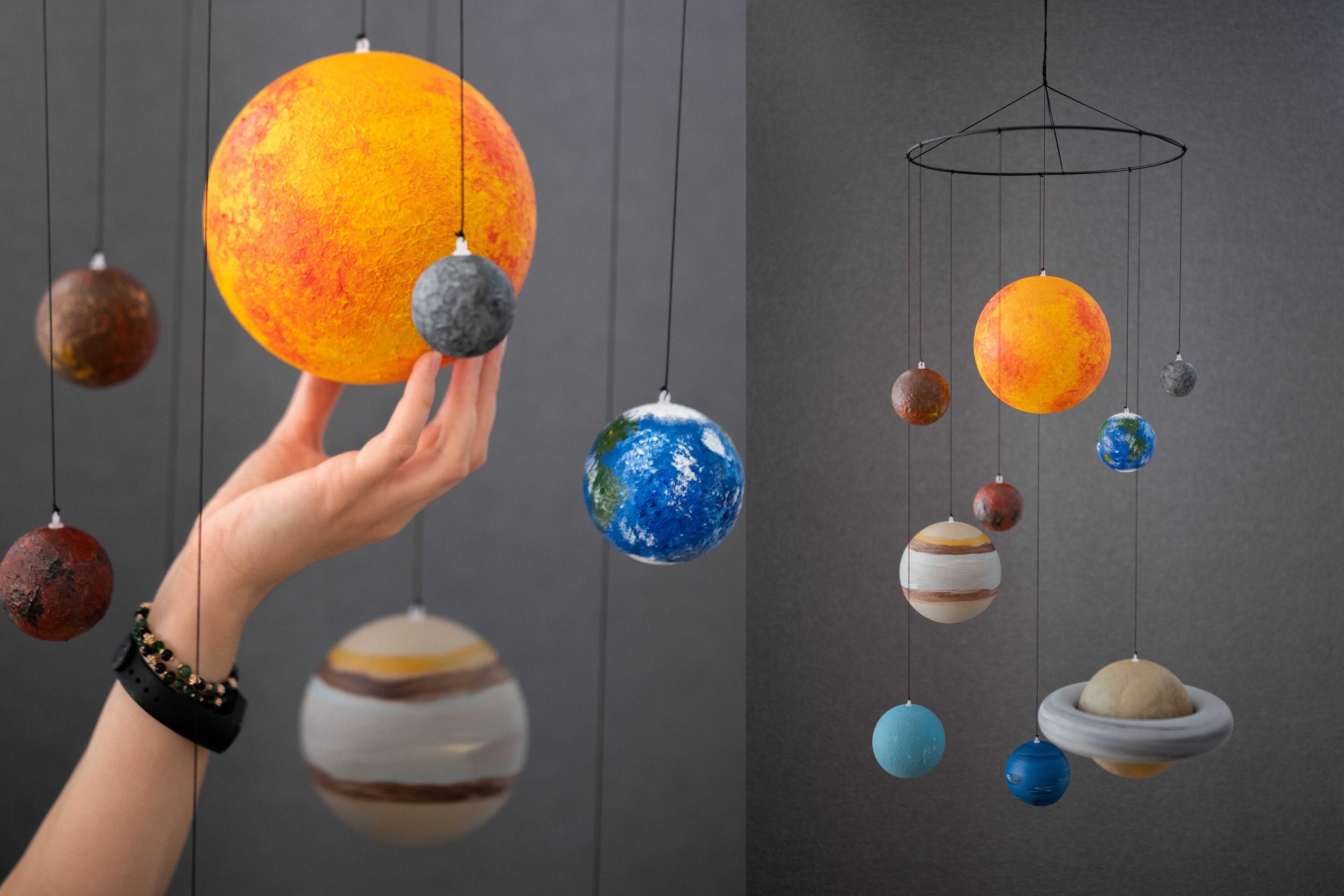
Nothing draws children into astronomy more quickly than making their own solar system. When they hold the planets, compare sizes, and hang them in orbit, space ceases to be abstract-it comes alive. In fact, one Texas middle school saw astronomy quiz scores jump 40% after they introduced solar system models into class.
Why it works: Kids understand scale and distance better when their hands are involved in it.
Supplies you’ll need: A set of Styrofoam balls, acrylic paints, thin wire or string, an old coat hanger for framing, and small LED lights if you want to do night demos.
Actionable steps:
- Paint eight planets according to their relative sizes. Make giant Jupiter, tiny Mercury, and beautiful blue Earth.
- Tie each planet to the coat hanger individually with wire or thread.
- Add LED lights behind the model to simulate how planets reflect sunlight. Turn off the lights for a magical nighttime effect.
Expert tip: “Models
make vast space feel close,” says NASA educator Dr. Jane Doe.
Takeaway: This project measures real distances on a scale model and invites fun debates, such as why Pluto was reclassified. It opens the door to deeper space-related conversations naturally.
Kitchen Experiments Mimic Space Wonders
Your kitchen can become a mini space lab with ingredients that recreate cosmic reactions. These activities remain etched in the children's minds. According to one of the many studies conducted at the Science Museum, 80% of kids remember chemical reactions when they do them hands-on.
1. Rocket Fuel Fizz
Mix vinegar and baking soda in a small container with a cap to create a safe mini "rocket." The fizz builds pressure until-pop!-the cap launches upward. This helps the children visualize propulsion similar to actual rocket fuel reactions.
2. Comet Tails Craft
For this one, adult supervision is required.
- Mix dry ice, soap, and water together in a metal bowl.
- Swirl gently and watch smoky jets shoot out like a real comet tail.
- Take this time to explain how comets release gas when they heat up near the sun.
Make moon rocks using:
- Flour
- Cocoa
powder (for moon-dust color)
- Salt
- Water
Shape rocks, poke holes to create tiny craters, and bake lightly. When dry, children can break them open to "study" textures.
Quote to inspire: "Playing with food sparks real science," says Chef-Astronaut Mike Fossum, who has cooked in space.
Backyard Star Hunts and Telescopes

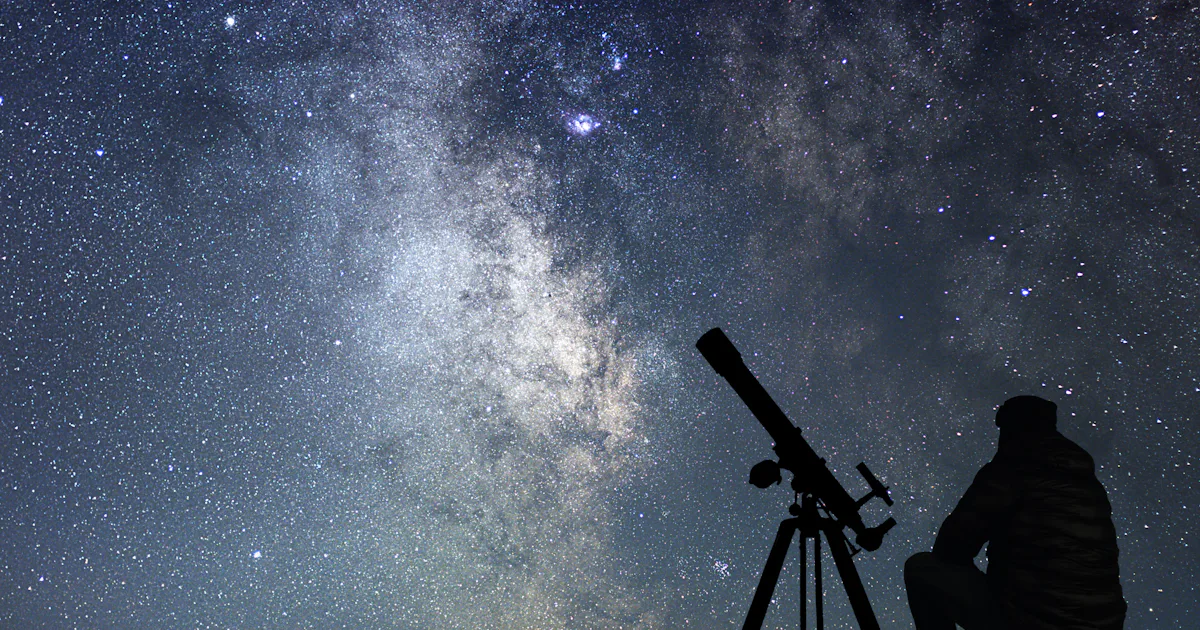
If you have a backyard, a balcony, or any dark open space, the night sky becomes a natural classroom. A Boy Scouts group once made simple cardboard telescopes and managed to see Saturn’s rings on their first attempt—a moment that none of them had ever forgotten.
DIY Telescope Build
Use cardboard tubes and two lenses, one concave and one convex. Tape carefully and adjust until an image is clear. This experiment teaches refraction and optical physics without expensive equipment.
Constellation Mapping
- Use glow sticks and black paper to re-create constellations.
- Apps like Star Walk help children find real stars overhead.
- Encourage children to draw their own constellation myths—what stories do they see in the stars?
Meteor Shower Party
Spread blankets, pack snacks, and watch the sky during popular meteor showers like Perseids or Geminids. In fact, according to data from the Astronomy Society, family stargazing events increase bonding by 50%.
Insight:
Rocket Launches and Physics Fun

Rocket activities are always successful, as they incorporate creativity, engineering, and a bit of suspense.
Baking Soda Rockets
These work with plastic bottles, cardboard fins, and a cork. When the vinegar-baking soda mixture reacts, the rocket shoots up. A California science club managed a 100-foot launch that inspired almost 20 kids to pursue STEM careers.
Water Balloon Orbits
Fill a water balloon with water, tie it up, and swing it with string to model how gravity pulls on planets in curving paths. Experiment with varying lengths, speeds, and angles to visualize concepts of orbit and centripetal force.
Egg Drop Probes
Kids design spacecraft-foam wraps, parachutes, and cardboard frames-to protect an egg from a high "crash landing." The challenge teaches engineering, shock absorption, and iterative testing.
Takeaway actions:
- Log launch heights and distances.
- Adjust designs after every try.
- Record slow-motion videos and share them online for fun comparisons.
Virtual Space Quests and Group Games
Not every space exploration requires glue, paint, or backyard space. Digital tools open new worlds, and modern kids respond strongly to them. VR activities increased engagement by 70%, according to a 2025 EdTech report.
AR Planet Hunts
Free apps scan your living room and project 3D planets around you. Kids can walk through a virtual solar system, view volcanoes on Venus, and zoom into Jupiter's storms.
Space Bingo
Create bingo cards with facts, symbols, planet drawings, or astronaut icons. Play in teams and give the winner a sticker rocket. Works great in classrooms and birthday parties.
Story Relay
Start a story: "An alien landed in our garden…" and have each child contribute one sentence. One public library did this and saw a 30 percent increase in attendance.
Quote: “Games blend
fun with facts,” says a Space Camp program director.
Wrap-Up: Launch Lifelong Space Fans
Hands-on space play doesn't have to be expensive or involve fancy equipment--just imagination and guidance are needed. From mini solar systems and fizzy rockets, to stargazing nights and AR adventures, every activity brings kids one step closer to loving the universe.
Research consistently proves that hands-on learning triples retention over videos alone. That means every craft, every experiment, and every story has the potential to shape a future scientist, astronaut, or curious explorer.
Try at least one activity a week. Capture moments, celebrate curiosity and tag your photos with #SpaceLovePlay to inspire other families.
The next mission to Mars will require dreamers, thinkers, and builders. Start the journey here.
Conclusion
Space is not just a subject; it is a doorway to imagination, problem-solving, and lifelong curiosity. When children build rockets, mix "comet" ingredients, map constellations, or explore planets through AR, they are not just playing; early connections are being made with science, creativity, and exploration. Such small activities filled with joy plant big dreams.
Whether you're a parent, teacher, or mentor, every hands-on moment you provide becomes a spark. It could be the spark that has a child study astronomy, engineer satellites, or simply look at the night sky in awe for their lifetime.
Now, try some of these activities, continue experimenting, and let curiosity lead the way. The universe is vast—and every young explorer should have a chance to reach for it.



Comments
Post a Comment