Easy Steps to Turn Students into Explorers | Souparna

Easy Steps to Turn Students into Explorers
Introduction
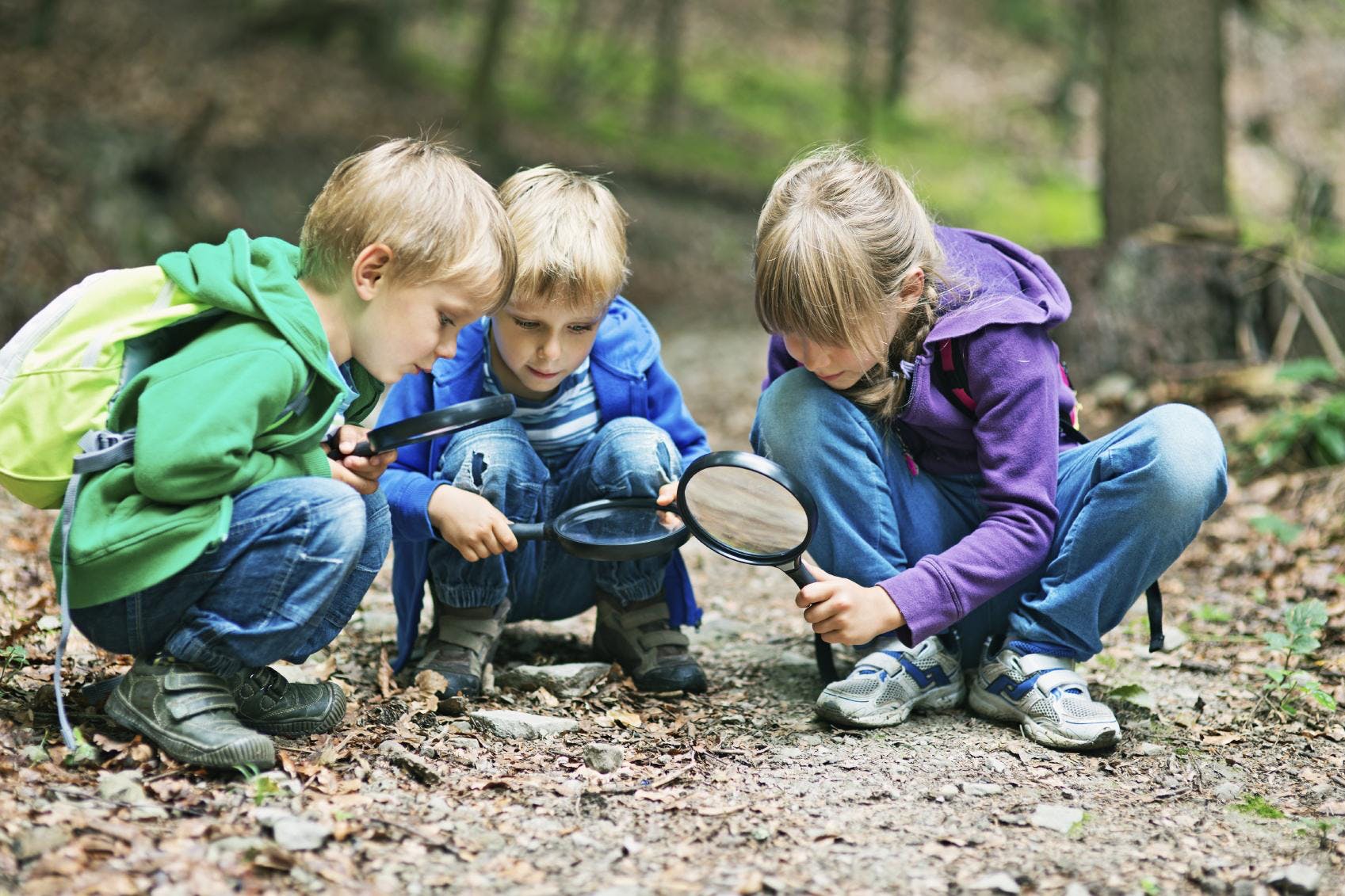
Last month, a teacher in Bangalore watched one of her
quietest students transform during a simple activity. The class went on a “bug
hunt” in the school garden. A boy who usually stared blankly at his notebook
suddenly crouched down, eyes wide, excitedly calling out, “I found one!” That
tiny moment of discovery—just spotting an ant carrying food—ignited something
in him that worksheets never did.
Stories like this matter because 70% of kids
lose their natural curiosity by middle school, according to a 2023 Gallup
poll. They start as question machines in kindergarten and somehow become
passive note-takers by adolescence.
But the good news? A few small, intentional shifts can
turn passive learners into active explorers again. This blog breaks down five
easy, practical steps teachers can start using right away. And the
promise is simple: with just small tweaks, you’ll see big changes in
engagement, excitement and ownership in your classroom.
Step 1: Spark Curiosity with Simple Questions
Ask Open-Ended Questions Daily
Every explorer’s journey begins with a question. You
can spark that curiosity simply by asking things like:
- “What
if gravity stopped for 10 seconds?”
- “How
would you survive on Mars?”
- “Why
does your shadow change size?”
Post one question on the board each morning as
a warm-up. Let it be playful, weird, or challenging. These questions invite
imagination rather than memorization.
As Maria Montessori famously said, “The
greatest gifts are questions.”
Tie Questions to Students’ Lives
Kids engage when learning feels connected to what they
already love. So link classroom concepts to their daily world:
- Math
→ sports scores
- Physics
→ toy cars
- Science
→ kitchen experiments
- Geography
→ their favorite travel vlogs
One Texas teacher increased engagement by 40% just
by tying lessons to her students’ hobbies like cricket scores, baking, and
video games.
Track Question Impact
Make curiosity measurable. Track how many questions
students ask back. The goal? Double the number in a week.
Quick tips:
- Reward
thoughtful questions with shout-outs.
- Keep
a “class question journal” where students contribute one question per day.
Step 2: Hands on Project

Choose Inexpensive Experiments
Fancy tools aren't needed for exploration; simple projects do wonders:
- Make volcanoes using baking soda and vinegar.
- Grow beans in paper cups.
- Build
paper bridges and test weight using coins.
A University of Chicago study shows that hands-on
learning boosts retention by 75%, compared to passive learning.
Group Students for Builds
Let kids collaborate to construct things—solar systems
made from recyclables, mini-robots from old electronics, weather stations from
cardboard.
In Finland, schools embraced project-based learning
across grades, and by 2024, test scores rose by 15%.
Reflect on What They Made
End each project with a brief debrief:
- What
worked well?
- What
failed and why?
- How
does this connect to real-world jobs like engineering, design, or
research?
Reflection makes the learning “stick.”
Step 3: Head Out for Real-World Adventures
Plan Short Field Trips
Classroom walls can only teach so much. Take
micro-field trips:
- A
park
- A
grocery store
- A
fire station
- A
local pond
- A
walking trail
You don’t even need buses—just map a one-mile
“explorer route” near school.
Hunt for Clues Outside
Kids love treasure hunts. Give them scavenger lists:
- Three
types of leaves
- A
bird nest
- Evidence
of erosion
- Insects
with different colors
- Sounds
they hear in nature
As Jane Goodall said, “Nature teaches patience
best.”
Share Trip Stories
Once back in class, let students draw what they saw,
write a short reflection, or record a voice note. These small stories build
ownership over learning.
And there’s another benefit: according to a 2025 WHO
report, outdoor time reduces stress by 30% in children.
Step 4: Blend Tech for Deeper Dives

Use Free Apps for Virtual Trips
When physical field trips aren’t possible, technology
steps in. Apps like:
- Google
Earth
- National
Geographic Kids
- BBC
Earth 360 videos
let students explore coral reefs, pyramids, deserts,
and planets up close.
Let Kids Code Simple Games
Coding isn’t just for tech class. Using Scratch,
students can:
- Build
explorer quests
- Create
digital mazes
- Design
Mars rover missions
A classroom in the UK did this and saw STEM
interest jump 50% in one semester.
Balance Screens with Reality
Technology should enhance, not replace. Set simple
rules:
- 20
minutes of tech → 20 minutes of hands-on activity
- Always
ask: “What did the app miss that the real world shows better?”
This keeps exploration grounded and meaningful.
Step 5: Foster Solo Research Quests
Set Personal Topics
Let students choose their own adventure:
- Bugs
- Stars
- Dinosaurs
- Ancient
kingdoms
- Famous
inventors
Assign one-week “explorer quests” where
each student must use at least three sources.
Teach Source Checking
This step is critical in the age of misinformation. Show students:
- Checking the credibility of authors
- How to fact-check across sources
- How to identify the fake news in no time
In the words of Neil deGrasse Tyson, "Doubt is key to discovery."
Celebrate Findings
Host "Explorer Expo Days" in which students proudly showcase their posters, models, videos, or mini-research papers.
And the impact is huge: 80% of students who do independent quests read more frequently afterward, according to 2024 EdWeek data.
Conclusion
Let's recap the five powerful steps to turn students into true explorers:
- Step 1: Ask open-ended questions every day, relating them to the lives of students.
- Step 2: Use hands-on, low-cost projects that make learning stick.
- Step 3: Take short outdoorsy adventures to generate real-world curiosity.
- Step 4: Combine technology with reality for further exploration.
- Step 5: Encourage personal research quests to build independence.
Turn your classroom into a world of explorers. Watch boredom disappear.



Comments
Post a Comment