Book Smarter: AI vs Traditional Agents – Who Wins in 2025? | Souparna
Book Smarter: AI vs Traditional Agents – Who Wins in 2025?
Introduction
“Saved $300 on a flight
last week with one app click. But did it miss the best deal?”
That’s the big question swirling through today’s travel scene. Over the past decade, we’ve traded endless phone calls and agency visits for apps promising instant bookings, sharp predictions, and last‑minute fixes. As travel rebounds in 2025, one clash sits at the heart of every trip: AI booking tools vs traditional travel agents.

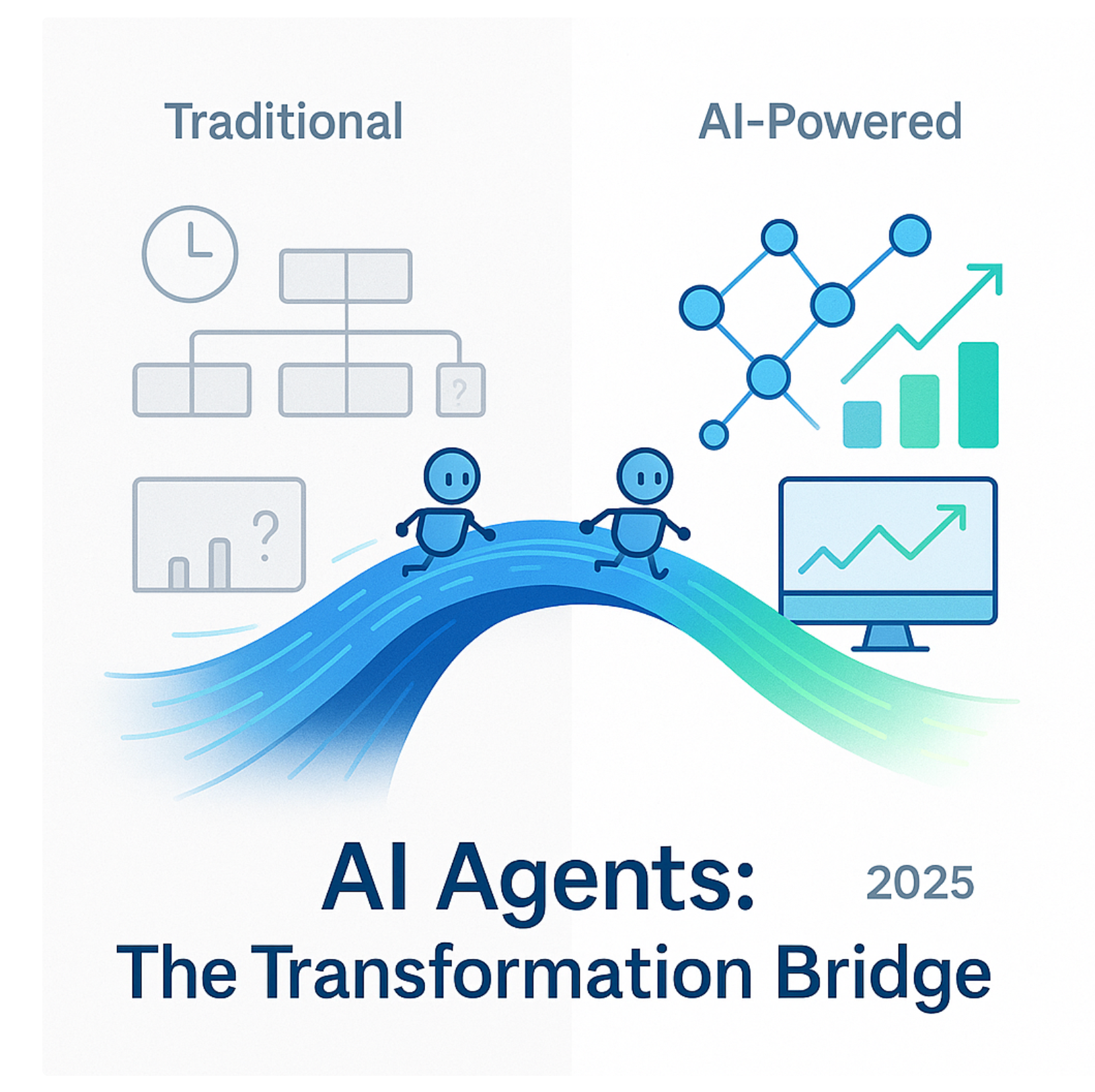
This blog digs into the battle across speed, cost, and trust—three forces shaping how we travel now. The reality: AI moves fast and smooths out friction, while human agents bring emotional smarts and real-world problem‑solving. Who wins depends on the trip.
How Traditional Agents Operate
What They Offer
Traditional travel agents still matter in 2025. Their strength lies in full‑service planning, handling everything from flights to hotels, rental cars, travel insurance, visas and even handpicked dining spots. They do best at:
Creating tailor-made itineraries
Working within tight budgets or special needs
Custom advice for family trips
According to Phocuswright 2024 data, agents still book 40% of all luxury travel; clearly, affluent travelers prioritize expertise over automation.
Real-World Strengths in Action
Take the Smiths on a Bali honeymoon. A late airline connection caused them to miss a resort pickup and a prepaid experience. The one call to their agent fixed it-new transportation, free spa treatment, and rearranged activities. They barely felt the hiccup.
Travel professional Jane
Doe says it best: “Agents spot issues AI misses.”
Tips for using agents wisely:
Call an agent when planning complex multi-country itineraries
Use one for luxury, corporate or medical travel
Agent choice for groups of four or more, especially for events
Common Drawbacks
Of course, that expert touch comes with a price.
Higher fees: Markups up to about 15% or consultation charges
Slower responses: Hours or days vs instant app replies
Traditional agents are
best for depth—not speed.
What's Inside AI Booking Tools

Top Tools and Features
AI-powered travel platforms have reshaped how we book. Apps like Hopper, Google Flights, Kayak, and Skyscanner use machine learning to forecast prices, find the best booking windows, and rate risk.
In-app AI chatbots handle itinerary changes, cancellations, check-in reminders, and last-minute tweaks—all in minutes.
According to a Statista report in 2025, AI travel tools reduce search and booking time by 70%, thus being the fastest route for modern travelers.
Success Stories
Now, imagine a solo traveler who has planned a 5‑day Tokyo trip. With Kayak's AI, he booked flights, hostels, transportation passes, and meals within under $1,200.
Tech reviewer Mike Lee
sums up its power: “AI finds deals I overlook.”
Tips for AI users:
Set price alerts for multiple destinations each week
Monitor the flight-price predictions for at least 30 days before traveling
Try 2–3 apps per trip; each tool’s algorithm prioritizes different deals.
Limits to Watch
AI is smart, not human.
Lacks empathy when situations related to cancellations or health issues arise.
Data errors are rare, but when data is incomplete, it can lead to a misbooking.
Struggles with edge cases: rare destinations, remote transfers, unusual visa needs
Head-to-Head Comparison
Speed and Cost Battle
AI wins on speed: It scans thousands of routes in mere seconds, almost always revealing hidden deals and saving travelers roughly 20–30% on average.
But agents still hold an edge in niche areas, able to negotiate group discounts or bundle packages beyond an app's reach.
Personalization Showdown
AI personalizes based on your browsing and booking history-budget, destinations, travel style.
Agents personalize through speaking with you, reading emotional cues, and addressing concerns.
A TripAdvisor 2025 survey shows that 65% of travellers prefer AI for simple trips, while for anything more complex, most still choose humans.
Trust and Flexibility Face-Off
AI is steady, but not intuitive.
An agent brings emotional intelligence that senses panic or confusion and provides solutions accordingly.
Here are actionable tips based on the trust factor:
Use AI for basics like hotels, trains, and budget flights.
Have agents handle high‑risk or complicated trips: Visa routes, health constraints.
Travel veteran Sarah
Kim puts it simply: “Mix both for best results.”
When to Pick Each One
Best Trips for AI
Great for quick, simple, cost‑driven trips.
They’re ideal for:
Solo trips
Last‑minute city breaks
Backpacking
Example:
Ideal for Traditional Agents
Traditional agents work
best for emotionally or logistically heavy trips:
Weddings and family gatherings
Luxury escapes
Business Travel
Example:
Hybrid Wins
In 2025, the savviest travelers blend both.
Compare prices fast - Start with AI
You switch to an agent if your trip crosses thresholds:
Budget above $5,000
Multi‑country travel
Many travelers
Insurance or special permits needed
According to Expedia's 2025 report, hybrids can save as much as 25% more compared with using either tool alone.
Hybrid tips:
Do the first 30 minutes of research in an app.
Use AI for steady price alerts, agents for last‑minute judgment calls.
Send findings to an agent for refinement.
Conclusion
The bottom line AI delivers speed and savings. Travel agents provide empathy, personalization, and on‑the‑ground support.
You don’t need to choose
sides—just match the tool to the trip.
Try one AI app this
month and track how much you save.
Book smarter, not harder.
Your wallet—and your travel experience—will thank you.



Comments
Post a Comment